




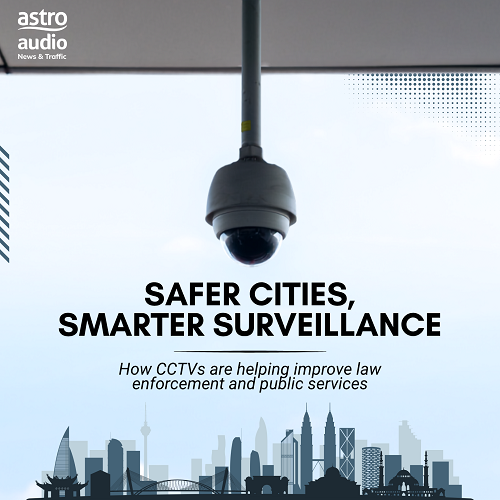
CCTV cameras are increasingly becoming a part of the urban infrastructure, transforming law enforcement, public safety and urban services.
Just recently, the Federal Territories Minister announced that some 10,000 cameras have been installed around KL, resulting in an over 50% reduction in snatch thefts.
The Housing and Local Government Ministry is also hoping to expand the surveillance system’s use across 15 local councils nationwide, with RM5 million allocated for this purpose this year.
The success of CCTVs for anti-crime surveillance has also led to these cameras being used to identify rubbish dumping hotspots and to catch offenders responsible for illegal waste disposal.

As a result, authorities have managed to shut down thousands of illegal dumpsites around the country in recent years.
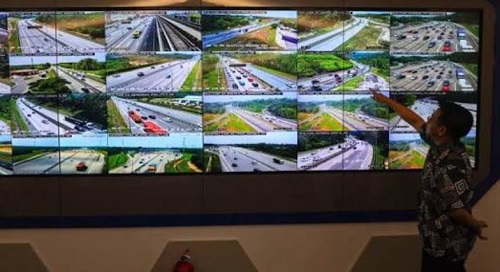
CCTVs have also found a prominent place in the government’s Smart City agenda, where the system is now being used to complement existing traffic monitoring infrastructure.
In addition to keeping an eye on traffic congestion, its now helping authorities respond faster to things like accidents, emergencies and even flooding.
The success of CCTV surveillance for crime prevention and urban services cannot be denied, and it’s understandable that there are already plans to acquire more cameras.
But how do we make better use of this technology, and how do we balance this with citizen's rights?
UM criminologist Dr. Haezreena Begum says the question is not whether we need more cameras, but whether we can deploy CCTV systems more strategically.
She cautions that CCTVs are not a silver bullet and its effectiveness depends on where the system is installed, the quality of the footage, whether it’s actively monitored, and how quickly authorities can respond to a crime.
Dr. Haezreena also says CCTVs need to be used as a tool to assist the authorities, and not as a replacement for law enforcement.
“Cameras can record an incident but they cannot intervene, assist victims, de-escalate conflicts or make immediate arrests. In my opinion, community policing remains essential because officers build trust, gather intelligence and engage with local communities. No cameras can replace this,” she said.
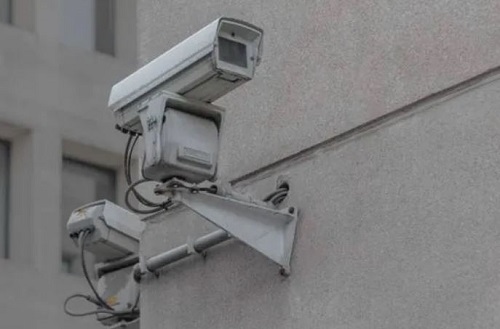
The expansion of CCTV systems also raises concerns about privacy and personal rights, especially when the technology becomes more advanced and wide-reaching.
Lawyer Ambiga Rajendran says as CCTV networks expand, we need more robust and comprehensive laws to govern their usage to balance the needs of law enforcement with our personal rights as citizens.
“The sheer scale of modern surveillance requires a standalone framework. So perhaps a specific surveillance camera act or something to that effect. We do need clear legal boundaries that apply to everyone, including the government, dictating exactly where the cameras can be placed, who audits them and what happens when that power is misused.”
Ambiga says another way to improve public acceptance is to emphasize transparency and accountability.
“First, Malaysia would benefit hugely from an independent surveillance camera commissioner, similar to models used in the UK that oversees both private and government camera networks. Secondly, we do need mandatory data retention limits enshrined in the law. Unless footage is flagged for an active investigation, the law should force operators to permanently delete it after a set period,” she said.
The lawyer also says we need severe and enforceable penalties for any unauthorized access of CCTV content.
“The public will only trust these systems if they know that any rogue operator or official who leaks or spies on footage for personal reasons will face immediate criminal charges," she emphasized.
There’s no doubt that CCTV surveillance systems are an important tool in the running of a safe and efficient city, especially as we continue towards the adoption of the Smart City agenda.
The challenge now is ensuring that this technology not only keeps our cities and towns safer but is also respectful of the rights and freedoms of the citizens who live in them.


