

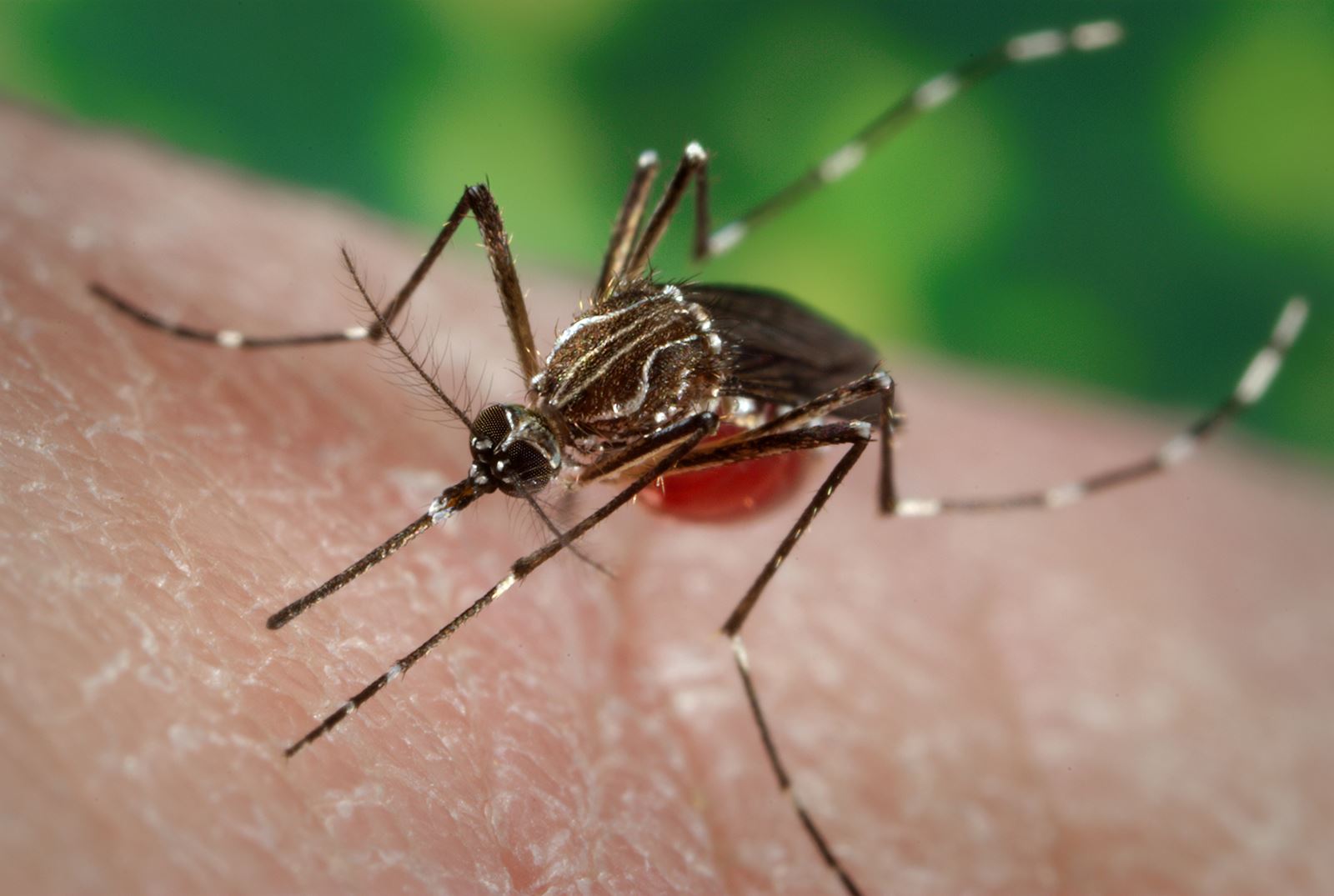
Main image via Pexels
Advertisement
You know the saying, “the enemy of my enemy is my friend?”
Well, it seems our long-standing rivalry with dengue may just put us on the same side for once, in the fight against COVID-19!
A new UK study that analyzed the coronavirus outbreak in Brazil has found a link between the spread of the virus and past outbreaks of dengue fever.
This suggests that exposure to the mosquito-transmitted illness may provide some level of immunity against the virus!
The study conducted at Duke University, which was shared exclusively with Reuters, compared the geographic distribution of coronavirus cases with the spread of dengue in 2019 and 2020.
Strangely, it found that places with lower coronavirus infection rates and slower case growth were places that reported large numbers of dengue cases in 2019 and 2020.
This, of course, applies to Malaysia, with 72,952 dengue cases reported as of September 5th, 2020, compared to 10,358 COVID-19 cases as of yesterday (September 22nd).
The study said, “This striking finding raises the intriguing possibility of an immunological cross-reactivity between dengue's Flavivirus serotypes and SARS-CoV-2.”
“If proven correct, this hypothesis could mean that dengue infection or immunization with an efficacious and safe dengue vaccine could produce some level of immunological protection against the coronavirus,” it added.
For your information, SARS-CoV-2 is the virus that causes the COVID-19 disease, and flavivirus serotypes are dengue virus antibodies.
The lead scientist told Reuters that the results are particularly interesting because previous studies have shown that people with dengue antibodies in their blood can test falsely positive for COVID-19 antibodies, even if they have never been infected by the coronavirus.
“This indicates that there is an immunological interaction between two viruses that nobody could have expected, because the two viruses are from completely different families,” he said.
However, further studies still need to be done to prove the connection.
It’s understood that the research team had actually come across the link between the two viruses by accident, and the breakthrough came when the team began to compare coronavirus-free areas to dengue-dense areas in Brazil.
“It was a shock. It was a total accident. In science, that happens, you're shooting at one thing and you hit a target that you never imagined you would hit," he explained.
The study is set to be published ahead of a peer review, and it will be submitted to a scientific journal.
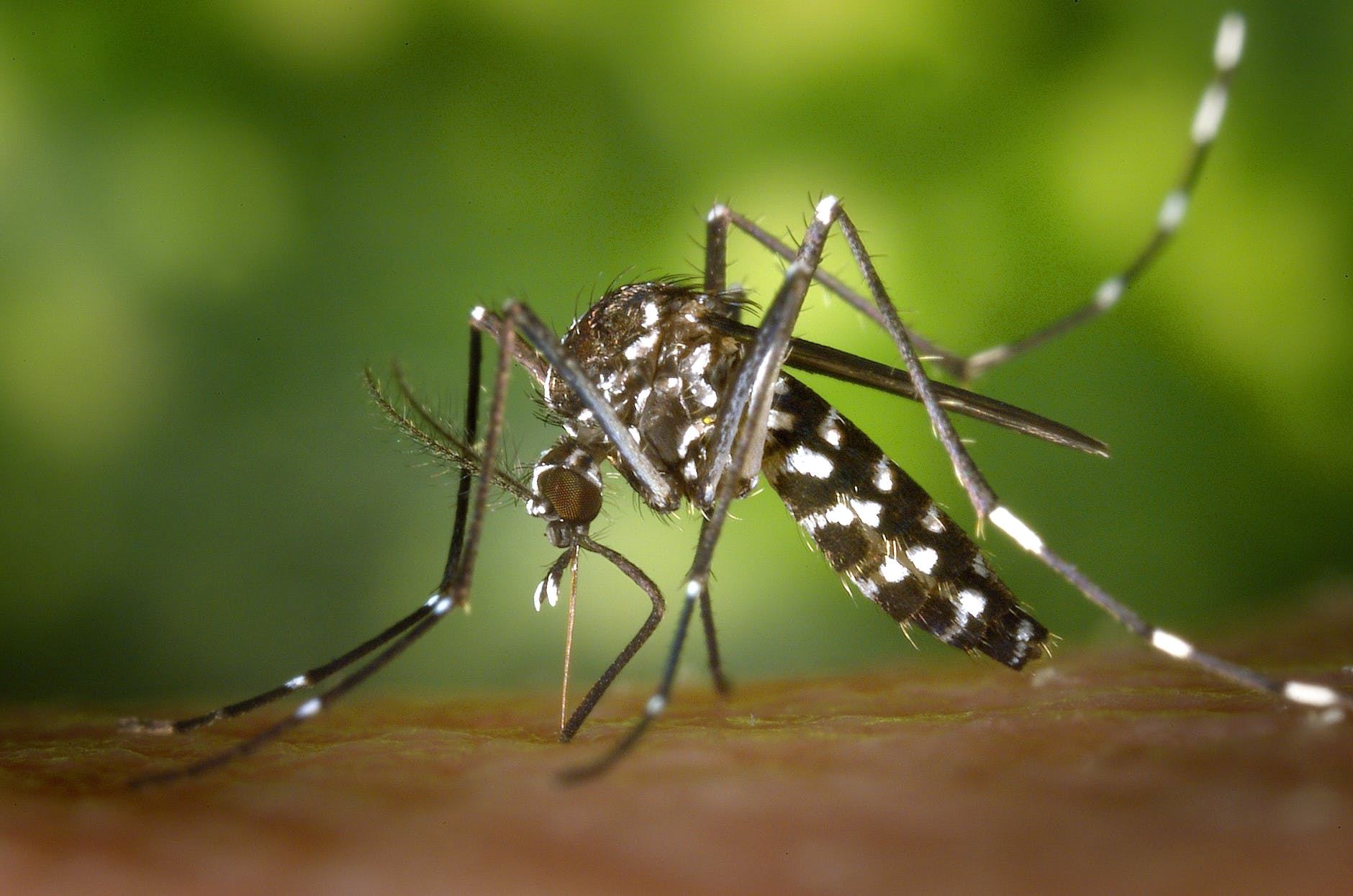
Image via Pexels
For your information, Brazil has the world's third-highest total number of COVID-19 infections, with more than 4.4 million cases - behind only the US and India.
by Kyle Roshen Jacob