
Many of us, especially Malaysians, enjoy savory, salty snacks and can't get enough of our local cuisines. However, while we love to eat, it’s important to make sure we're consuming the right amount of salt. But how can we know if our salt intake is just right? Both too much and too little salt can negatively affect our health.

Dr. Lela Ahlemann, a specialist in dermatology and nutritional medicine, explains, "Salt intake requires balance. While you can’t consume too little sugar, with salt, both excess and deficiency can be harmful."
Why Salt is Essential
Advertisement
Salt (sodium chloride) helps maintain fluid balance and regulate blood pressure. Low salt intake can cause fatigue, circulatory issues, and contribute to insulin resistance and high cholesterol. People with heart disease or diabetes should be especially mindful.
How Much Salt Should We Consume?
The recommended salt intake is around 2,300 mg per day, roughly one teaspoon. Most people exceed this, often through processed foods and restaurant meals.
Risks of Too Much Salt
Excess salt can raise blood pressure, increasing the risk of cardiovascular diseases.
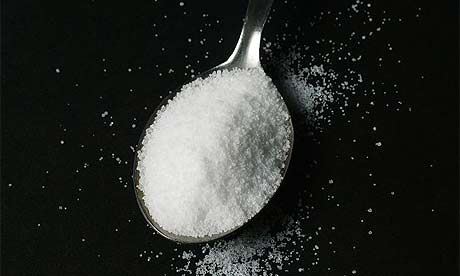
Signs of Excessive Salt Consumption:
- Bloating & Puffiness: Water retention from high sodium intake.
- Increased Thirst: The body signals thirst to dilute excess sodium.
- Frequent Urination: Drinking more water to counteract sodium can disrupt electrolyte balance.
- Temporary Weight Gain: Water retention causes temporary weight gain.
How to Cut Back on Salt
Eat more whole foods like fruits and vegetables, avoid processed foods, and use herbs or spices for flavor. Gradually reduce salt to adjust your taste buds and minimize cravings. Opt for iodized salt for thyroid and brain health.
Making mindful choices about salt intake supports overall health while still enjoying flavorful meals.
Source: Vogue